Radwag Balances and Scales - Advanced Weighing Technologies
2022-11-08

What Requirements Must Weighing Devices Comply with to Be Used in an Ex Area? Scales for Ex Areas by RADWAG

What Requirements Must Weighing Devices Comply with to Be Used in an Ex Area? Scales for Ex Areas by RADWAG
An explosive atmospheric zone is an extremely harsh working environment, so it requires equipment that meets specialized safety procedures. All of these devices must be labeled “Ex,” but that’s just the beginning.

What Is a Hazardous Area?

A potentially explosive zone, or Ex area, is a space where there is a risk of a mixture of flammable substances in the form of gases, mists or dusts with air. An explosion occurs when the concentration of a flammable substance in a mixture with air is between the lower limit and the upper explosive limit. For it to occur, an oxidant (air), an ignition source and a combustible material are required.

There are several types of explosive zones, including zone 0, 1, 2, 20, 21 or 22.

Other potentially explosive zones apply to gases and liquids, while others apply to dusts, powders and fibers.
What Requirements Must Weighing Devices Comply with to Be Used in an Ex Area? Scales for Ex Areas by RADWAG

Potentially Explosive Zones for Gases and Liquids

Zone at risk of explosion 0 is an area in which an explosive atmosphere containing a mixture with air of flammable substances in the form of gases, vapors and mists occurs continuously or persists for a long time or frequently.

Zone at risk of explosion 1 is an area in which an explosive atmosphere containing a mixture with air of flammable substances in the form of gases, vapors and mists may occur during standard operation (periodically).

Zone at risk of explosion 2 is an area in which an explosive atmosphere containing a mixture with air of flammable substances in the form of gases, vapors and mists does not occur during standard operation, and if it does occur, it persists for a short period of time.

Explosive Atmospheres for Dusts, Powders and Fibers

Explosive zone 20 is an area where an explosive atmosphere in the form of a cloud of combustible dust in the air persists continuously, frequently or for long periods.

Explosive zone 21 is an area where an explosive atmosphere in the form of a cloud of combustible dust in air may occasionally occur during standard operation.

Ex zone 22 is an area where an explosive atmosphere in the form of a cloud of combustible dust in air does not occur during standard operation, or if it does occur, it persists for a short period of time.
What Requirements Must Weighing Devices Comply with to Be Used in an Ex Area? Scales for Ex Areas by RADWAG

RADWAG Scales for Ex Areas

Although an explosion-prone area is a particularly demanding working environment, RADWAG offers scales dedicated precisely to Ex areas.

Our scales are prepared for operation in explosion hazard zones 1 and 2, as well as 1/21 and 2/22.

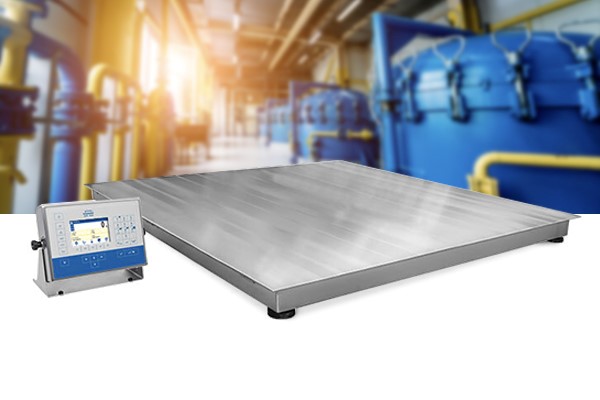
The HX5.EX Scales will prove themselves at work in gas explosion-prone areas, classified as zones 1 and 2. They are ATEX-certified and GLP-compliant. You can choose from a myriad of models, depending on the required accuracy (0.1 g – 2,000 g) and optimal load capacity (1.5 kg – 6,000 kg).

Among them are:

  • Load-Cell Platform Scales in all-stainless steel version, i.e. waterproof HX5.EX-1 H, and HX5.EX-1 C made of stainless steel and powder-coated steel,
  • HX5.EX-1.4 C Load-Cell Platform Scales, which allow accurate weight measurement regardless of where the load is placed on the platform,
  • HX5.EX-1.4 H/Z Stainless Steel Platform Scales that calculate the weight of a vehicle, vehicle with load and/or load without vehicle,
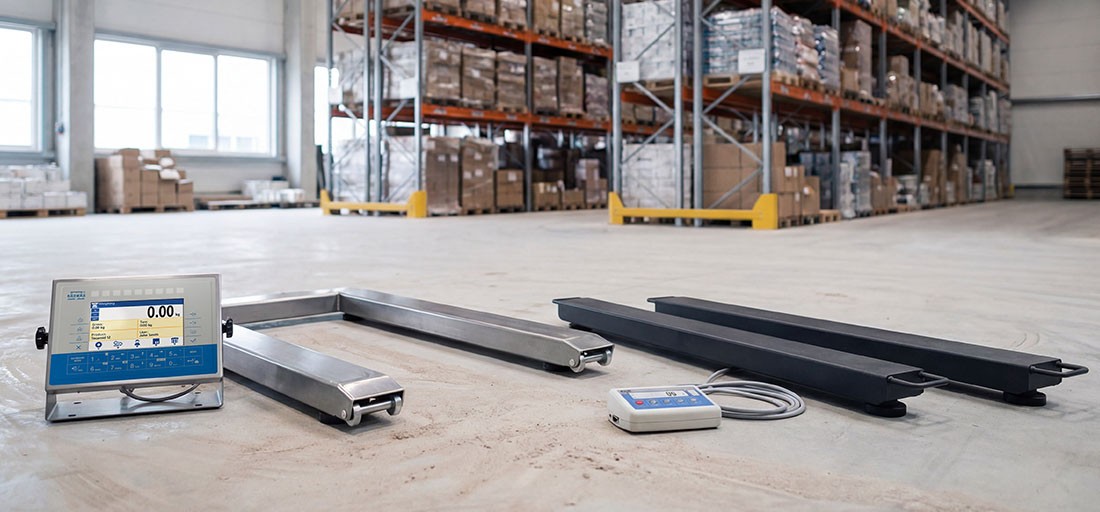
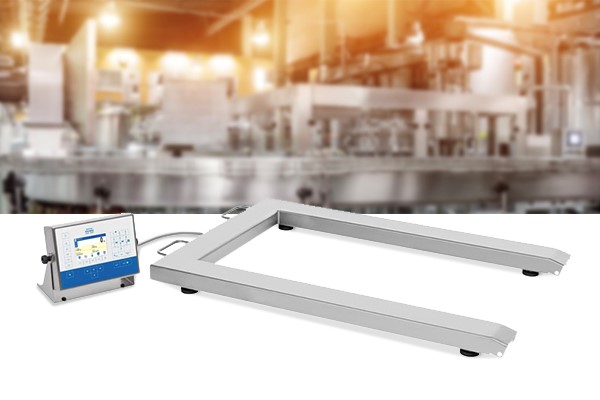
  • HX5.EX-1.4P C Pallet Scales,
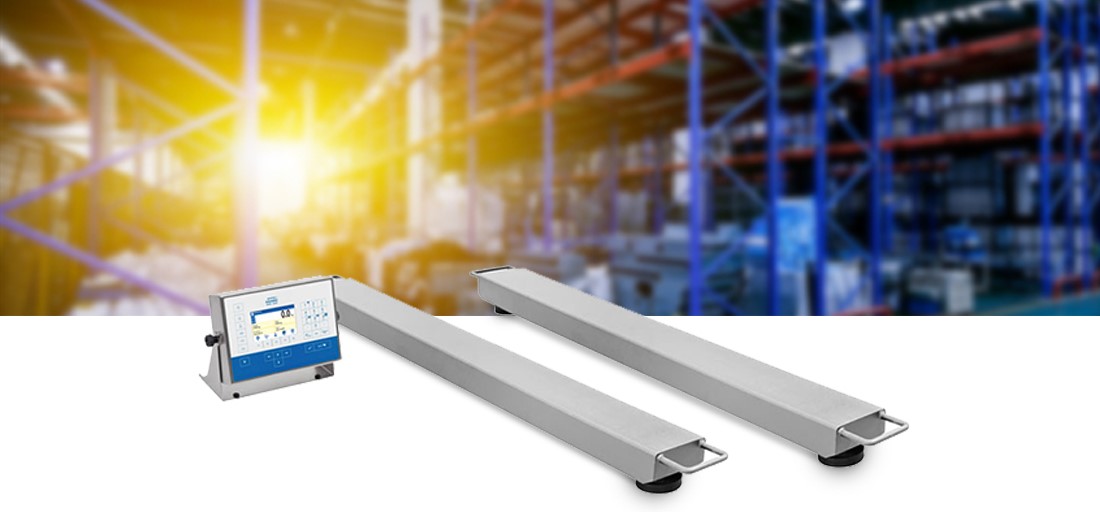
  • HX5.EX-1.4P2 C Beam Scales,
  • HRP EX Platforms.

We also have HX5.EX Scales dedicated to work in gas and dust explosive and dusty areas, classified as zones 1/21 and 2/22. Depending on the model you choose, their accuracy ranges from 0.1 g to 2,000 g, and the load capacity – from 3 kg to 6,000 kg.
What Requirements Must Weighing Devices Comply with to Be Used in an Ex Area? Scales for Ex Areas by RADWAG

If you work in zones 1/21 and 2/22, you will certainly be interested in:

  • HX5.EX-1 HR Stainless Steel 1-Load-Cell Platform Scales,
  • HX5.EX-1.4 H Stainless Steel 4-Load-Cell Platform Scales,
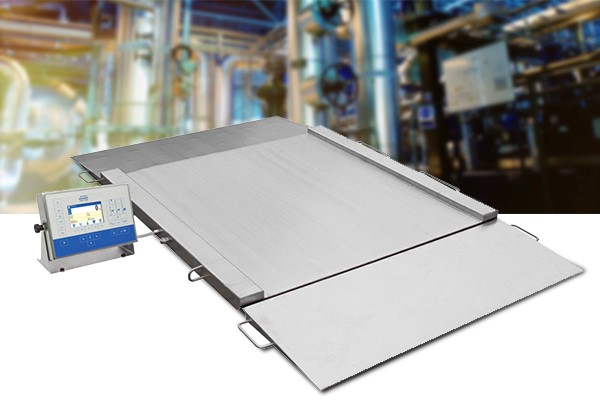
  • HX5.EX-1.4N Stainless Steel Ramp Scales,
  • HX5.EX-1.4P H Stainless Steel Pallet Scales,
  • HX5.EX-1.4P2 H Stainless Steel Beam Scales,
  • HRP EX.H Stainless Steel Platforms.

We can also offer you PUE HX5.EX Indicator, Ex-Scale-Intended Intrinsically Safe Power Supply for PUE HX5.EX Weighing Terminal and IM01.EX-8 Communication Module to increase the number of interfaces of HX5.EX indicator.


Read more about the Scales for Ex Areas by RADWAG.

If you are interested in a specific model of RADWAG Scale for Ex Areas or need advice on equipment dedicated to explosive zones, write to us.

What Requirements Must Weighing Devices Comply with to Be Used in an Ex Area? Scales for Ex Areas by RADWAG

Newsletter

Subscribe to the newsletter if you would like to receive RADWAG news.

View more
Effective Laboratory Management. How Does Process Automation Improve Efficiency?
2026-05-12

Effective Laboratory Management. How Does Process Automation Improve Efficiency?

The growing number of tests, the need to maintain the highest quality of results, and the limited availability of qualified staff mean that laboratory management today requires not only organisational skills but also the informed use of modern technologies.
More  ➜
Moisture Analyzer as a Quality Control Tool in Plastics Production – Accuracy and Effectiveness of RADWAG Technology
2026-04-28

Moisture Analyzer as a Quality Control Tool in Plastics Production – Accuracy and Effectiveness of RADWAG Technology

In modern plastics production, precise control of granule moisture content determines the stability of the technological process, the strength of parts and the minimisation of material losses. Read how RADWAG’s technological solutions allow your company to achieve full repeatability and process safety.
More  ➜
How Much Does a Lab Technician’s Time Cost You? The Hidden Costs of Manual Calibration
2026-04-14

How Much Does a Lab Technician’s Time Cost You? The Hidden Costs of Manual Calibration

Although manual pipette calibration is still widely used, it significantly increases working time and generates hidden costs which often go unnoticed in day-to-day laboratory operations. Fortunately, there are modern solutions available which can boost laboratory productivity.
More  ➜
Pallet Scale vs. Beam Scale – a Complete Guide to Industrial Scales
2026-03-31

Pallet Scale vs. Beam Scale – a Complete Guide to Industrial Scales

How does a U-type pallet scale differ from a beam scale? Are beam scales suitable for weighing machines and tanks? Why is it worth buying a pallet scale directly from the manufacturer? You will find answers to these and other questions in this article.
More  ➜
What Does ‘Precision Balances’ Mean?
2026-03-17

What Does ‘Precision Balances’ Mean?

Are precision balances inherently more precise than other balances? After all, the range of electronic balances includes laboratory balances, which are even more accurate, so where does this name come from?
More  ➜
Professional Weighing Workstations, Antivibration Tables and Weighing Tables by RADWAG – Elimination of Vibrations in the Laboratory
2026-03-03

Professional Weighing Workstations, Antivibration Tables and Weighing Tables by RADWAG – Elimination of Vibrations in the Laboratory

A weighing table is designed to eliminate ground vibrations which interfere with the operation of laboratory equipment, especially balances. Which balances and scales should weighing tables be used with? What is the difference between a weighing table, an antivibration table and a weighing workstation? You will find answers to all your questions in this article.
More  ➜
How to Choose a Scale for Use in Harsh Industrial Environments?
2026-02-17

How to Choose a Scale for Use in Harsh Industrial Environments?

In many industries, precise mass measurement must be performed in conditions far from laboratory conditions. Which RADWAG solutions have been designed specifically for such applications?
More  ➜
Balance as a Quality Guardian. Net Weight Control in Small-Scale Food Production
2026-02-03

Balance as a Quality Guardian. Net Weight Control in Small-Scale Food Production

The net weight declared on the label is a promise to the customer – information about how much product is actually in the package. In the food industry, keeping this promise is the foundation of credibility.
More  ➜
How to Teach Accurate Weighing? Analytical and Precision Balances in University Laboratories
2026-01-20

How to Teach Accurate Weighing? Analytical and Precision Balances in University Laboratories

At RADWAG, we have been observing for years how important our devices are in educating future generations of specialists. In this article, we suggest how to effectively teach weighing and select the optimal balance for a teaching laboratory.
More  ➜
Summary of 2025
2026-01-07

Summary of 2025

The 40th anniversary of the company, victory in a prestigious industry competition, new products – read about what RADWAG has been up to over the past year.
More  ➜
Best Wishes for Christmas and New Year
2025-12-23

Best Wishes for Christmas and New Year

Merry Christmas and a happy New Year to all RADWAG employees, partners and friends.
More  ➜
How To Choose a Weighing Device for Checking Raw Materials in the Cosmetics Industry?
2025-12-09

How To Choose a Weighing Device for Checking Raw Materials in the Cosmetics Industry?

In the cosmetics industry, precise weighing of ingredients determines the quality and safety of products, which is why choosing the right balance or scale for the laboratory and quality control department is half the battle.
More  ➜
Choosing a RADWAG Moisture Analyzer – Which One Will Work Best in Your Laboratory?
2025-11-25

Choosing a RADWAG Moisture Analyzer – Which One Will Work Best in Your Laboratory?

A moisture analyzer is an essential device in many laboratories, as it allows you to quickly and accurately determine the moisture content of samples. MA X7.A, PMV 5Y, MA 5Y or MA R – which RADWAG moisture analyzer should you choose and why?
More  ➜
« Back

© 2026 RADWAG Balances and Scales.

All rights reserved.